

Calculating How Much Alimony You Will Get in California
When you are making the transition from married life and entering into the uncharted territories of the divorce process and beyond, you are probably wondering one of two questions: 1) “How much alimony will I paid?” or 2) “How much alimony will I be expected to pay?” Both are important questions, and bring us to the question of understanding how California calculates spousal support (or “alimony”) awards.

What is the Difference Between Alimony and Spousal Support?
“Alimony” (or “spousal support”) is one of those terms you’ve probably heard all of your life, but you may have assumed that you would never have to deal with the topic personally. But when you find that your marriage is possibly coming to an end, it is a topic that can have a huge impact on your life, whether you’re on the paying end or the receiving end of it (and if you don’t which one you might be, we’ll get into that too). There are a lot of misconceptions and confusing aspects of alimony and spousal support, and below we’ll do our best to clear a few of them up.
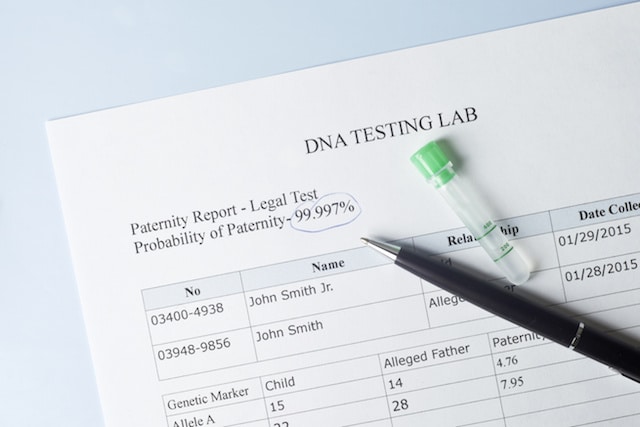
Is a Paternity Test Required For Child Support?
It is a bedrock of California family law that a biological father of a child is required to provide financial support to that child, regardless of whether the father was ever married to the mother, or if he even knew of the child’s existence. But before a California court will require that a man pay child support to a child that he fathered, the paternity of the child will have to proven to the courts. Sometimes this requires a paternity test, but not always.

The Collaborative Team
The collaborative divorce model involves a team approach to resolve disputes. Because the team members are working together to reach a settlement, the adversarial nature and posturing often found in traditional divorce litigation is lessened. Every family dynamic and needs are different so not all cases will require the involvement of the entire team. However, all collaborative divorces require each party to have an attorney. A complete collaborative divorce team includes: two collaborative attorneys, two coaches, one neutral financial professional and a child specialist. The role of each team member is briefly described below:

Pros & Cons of Collaborative Divorce
There are several ways to obtain a divorce in California. The spectrum of options ranges from the do-it-yourself divorce; mediation; collaboration or traditional litigation. However, no one particular option is one-size fits all. You must decide which method is best for you and your family under the very specific facts/circumstances. With that in mind, here are some pros and cons one must consider before choosing collaborative divorce as your option.
KFinanLaw.com is now launched!
Welcome to KFinanLaw.com! We appreciate any and all feedback regarding the new website.